



The display template is used to group properties that share the same display styles such as colormap, high clip, low clip, and transparency.
When a property is created, a default display template is generated for the property name. Any subsequent property created with the same name on another object will have the same display template. Changes made to the property’s style will be reflected on all the properties sharing display templates.
- To view or edit display settings, right-click on the property and select Style Editor
- To view the objects sharing the same display template, right-click on the property, select Edit Property Settings > View Members
- To remove a property from a display template, simply enter a new display template in the Edit Property Settings dialog box

Previous tips can be found under the Software tip category in the News section and in the Archives section of our website.
Latest news

Easily display a property on multiple objects
In GOCAD Mining Suite objects are grouped by the properties they contain...
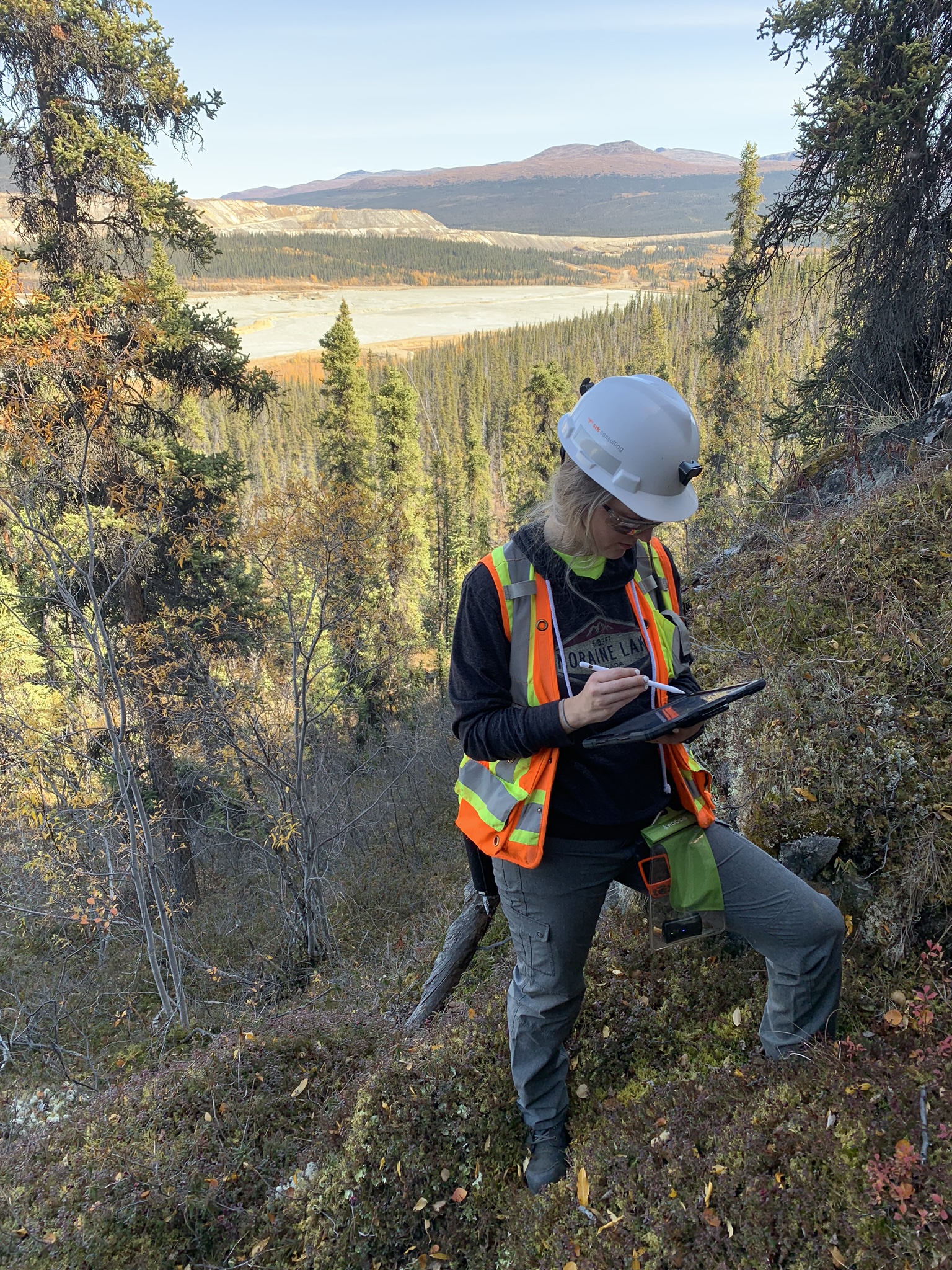
Why Is Mapping Important?
Capture geological observations quickly, safely, and accurately, both in the field and office with HiveMap...

Customize the Viewport axis labels
In Geoscience ANALYST you can customize the Viewport axis labels
..

Filtering time-based data
In Geoscience INTEGRATOR, there are various ways to filter time-based data, by shirts, property, or even day intervals...

New clustering application in geoapps
geoapps - Exploratory Data Analysis (EDA), rock classification generation, or map alteration footprints

Data display precision
In Geoscience ANALYST Data Colours panel you can control the precision of the data...

GEOH5: A Framework for Geoscience Data and Model Portability
Used by thousands, GEOH5 is the open-source data structure that is taking down the interoperability barriers and revolutionizing...

Default data colour settings
In Geoscience ANALYST you can set a default colour table and colour mapping transformation function. This way, when you import or create new data, it will be coloured by default.
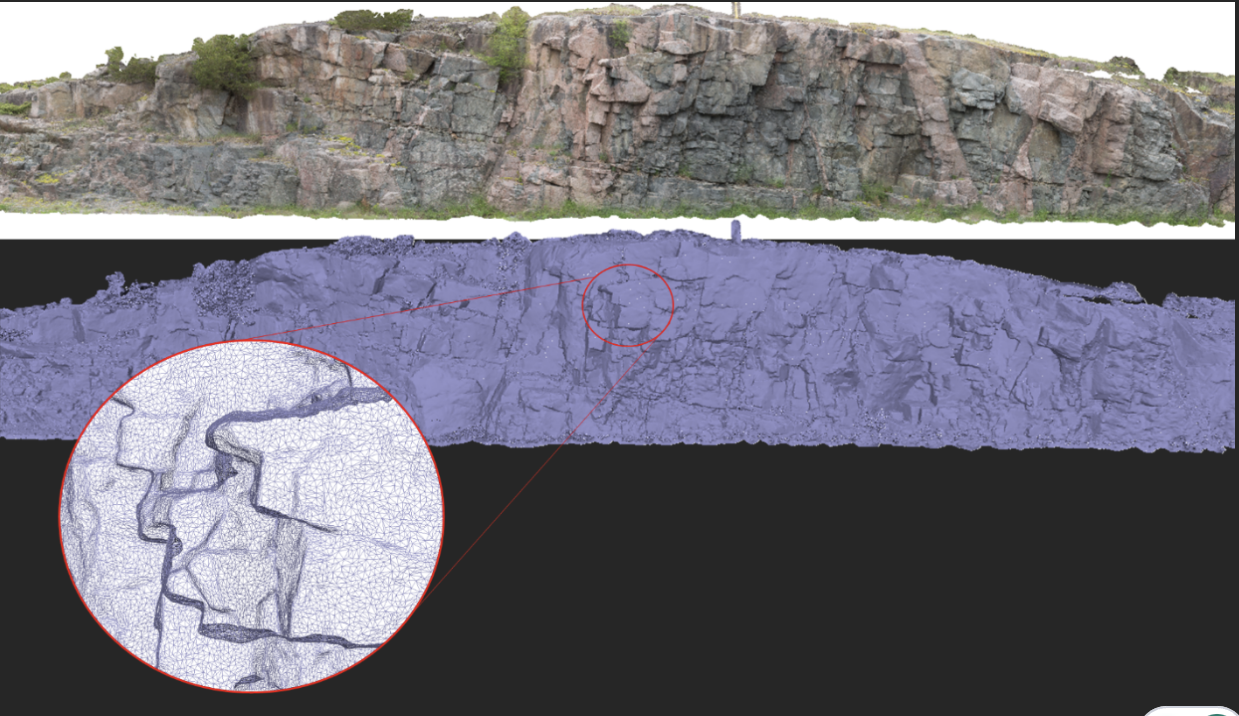
Creating Mappable Surfaces
Capture geological observations quickly, safely, and accurately, both in the field and office with HiveMap...

Behind the Scenes: A Technical Deep Dive – Chasing Innovation From the Ground Up
Explore behind the scenes our case study with Canadian Royalties on this technical deep dive, featuring Stanislawa Hickley.

DC resistivity inversion in Geoscience ANALYST Pro Geophysics
Past event, view here or via our YouTube channel...

Getting started with the Python geoh5py
Past event, view here or via our YouTube channel...